

Work. Messages. Deadlines. Family. Traffic. Most of us are living with a constant background hum of pressure, even on “normal” days. For many people, that tension shows up in very physical ways: headaches, poor sleep, sugar cravings and, surprisingly, higher blood sugar readings. You can be eating well and still see your glucose levels spike, simply because your body is stuck in stress mode. Understanding why this happens, and what to do about it, can protect your health and make you feel more in control of your own body again.
What Is Blood Sugar, Really?
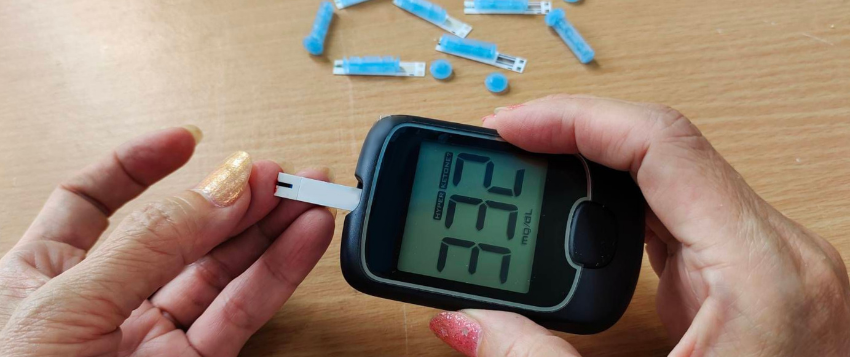
Blood sugar is simply the amount of glucose circulating in your bloodstream at any moment. Glucose is your body’s favourite fuel. You get it mostly from food, especially carbohydrates, and your cells use it for energy so that you can think, move and function.
A blood sugar spike happens when those levels rise quickly and sharply. We often blame this only on food, but there are many triggers. Highly processed or sugary foods, very large meals, sweet drinks and poor sleep can all push your levels up. What many people do not realise is that stress alone, even on an “empty” stomach, can have the same effect.
How Stress Pushes Blood Sugar Up
Your body is wired for survival, not for endless back-to-back meetings and unread email notifications. When you feel stressed, whether from a tense conversation, a deadline, financial worries or sitting in traffic, your brain reads it as a possible threat.
In response, your body releases stress hormones, mainly cortisol and adrenaline. These hormones send a clear message to your liver: “We might need energy quickly.” Your liver listens and releases stored glucose into your bloodstream so that you can fight or run away. It is an ancient system designed to keep you alive.
The problem is that in modern life, there is usually no fighting and no running. You are still sitting at your desk or in your car, but your blood sugar is now higher, as if you were about to sprint. If this happens occasionally, your body can handle it. If it happens all day, every day, your system never gets a chance to reset. Constant stress means constantly elevated cortisol, which can mean more frequent blood sugar spikes.
Over time, this pattern can contribute to weight gain around the middle, fatigue, mood swings, increased appetite, poor sleep and, in some cases, insulin resistance. It is not just about what you eat. It is also about what you carry in your mind.
Your Body Was Not Built for Constant Pressure

Human beings are incredibly resilient, but we were not designed to live in permanent emergency mode. Your nervous system needs periods of safety and rest to digest food properly, regulate hormones, repair tissue and process emotions.
When you live in chronic stress mode, a few things tend to happen. Hormones become harder to balance. Digestion feels off or uncomfortable. You may pick up every bug going around because your immune system is tired. Emotionally, you might notice that you are more reactive, more sensitive, or more easily overwhelmed than usual. All of this sits on top of the quieter story happening in the background: blood sugar that runs higher than it should.
This is why managing stress is no longer just “nice to have”. It is a health strategy.
Corporate Stress: You Cannot Fix Everything
In many workplaces, there is an unspoken expectation to be the reliable one. The person who steps in, calms things down and gets the job done. That is a strength, but it can cost you if you never step back.
If you constantly absorb every crisis, your nervous system does not switch off. Your body keeps releasing stress hormones and, with them, more glucose into the bloodstream. At some point, your health starts paying the price for your reliability.
Learning to protect your health at work does not mean caring less. It means putting realistic boundaries around your time and energy. Saying no politely. Being clear about what is urgent and what can wait. Communicating your capacity. Remember that you are one person, not the entire department. Healthy boundaries are not only about mental health. They also help to steady your stress hormones and support more stable blood sugar.
Procrastination Keeps Your Brain in Alert Mode

There is another hidden stressor that often goes unnoticed: procrastination. When you delay an important task, it does not disappear. It sits quietly in the back of your mind, keeping your nervous system on alert. You may not be consciously thinking about it, but your body feels the pressure of the unfinished job.
You do not need to finish everything at once to feel better. Often, simply starting the task lowers anxiety. Taking the first small step sends a different signal to your brain: this is in motion, not stuck. Routines help here too. Even if you do not follow your routine perfectly, having a basic structure to your day creates a sense of predictability, and predictability reduces stress.
Why Social Media and News Can Make Stress Worse
Many people reach for their phones to “unwind,” but your brain does not experience endless scrolling as rest. It experiences it as constant stimulation. Seeing everyone’s highlights can trigger comparison, doubt or a quiet sense that you are behind in life. On top of that, social media platforms are designed to keep your attention. Before you know it, an hour disappears, and you feel more wired than when you started.
The same goes for news. Staying informed is important, but a steady stream of negative headlines can plant worry and fear in your mind. Your body responds to that input. If most of what you consume is alarming, your nervous system gets the message that the world is not safe, and it behaves accordingly.
You do not need to disconnect completely. You can choose a healthier approach instead. Decide when you will check social media or news, rather than letting it fill every quiet moment. Choose content that builds you up more often than it breaks you down. The goal is not ignorance. It is protection.
Quick Fixes That Backfire

When stress runs high, it is very tempting to reach for fast relief. A drink after work, a cigarette, another strong coffee, or late-night snacking in front of a screen. These habits may offer a moment of escape, but they do not remove the stress. In many cases, they add more strain to your body.
Alcohol, nicotine and excess caffeine can interfere with sleep, digestion and blood sugar control. They make it harder for your body to do the very things that would help you feel better in the long run. If you notice that you are relying on these outlets daily, it might be time to ask what your stress is trying to say and what support you actually need.
Healthy Ways to Manage Stress and Keep Blood Sugar Stable
Instead of trying to erase stress completely, think about giving your body regular signals of safety. Small, consistent habits can make a real difference.
Intentional breathing is one of the simplest tools you can use. Slow, deep breathing for even a minute or two tells your nervous system that it can stand down. Many people find that taking a few calm breaths before a meeting, after a difficult email or before sleep makes a noticeable difference to how they feel.
Movement is another powerful ally. You do not need a gym membership or a perfect routine. A short walk, some gentle stretching, or a quick at-home workout all help your muscles use some of the glucose circulating in your bloodstream, while also releasing tension.
Food choices play a role too. Eating regular, balanced meals that include protein, healthy fats and fibre helps keep blood sugar more stable throughout the day. Skipping meals or living on refined snacks can make you more vulnerable to both energy crashes and emotional swings.
Boundaries at work, as mentioned earlier, are practical stress management tools, not just nice ideas. A simple daily routine, even if it is very basic, creates a sense of rhythm that reassures your system. Limiting screen time, especially late at night, gives your brain time to wind down. Prioritising good quality sleep allows your body to reset hormones, repair tissue and regulate blood sugar.
Connection also matters. Spending time with people you trust and feel safe with lowers stress in ways that are hard to measure but easy to feel. Laughing with friends, talking honestly with a partner or being part of a supportive community all remind your nervous system that you are not carrying life alone.
If you have a diagnosed blood sugar condition, or you suspect that you might, it is important to speak to a healthcare professional for personalised guidance. Lifestyle changes work best alongside proper medical advice.
A Balanced Life Supports Balanced Blood Sugar

Managing stress is not about becoming calm all the time. Life will always bring pressure, deadlines and unexpected events. The goal is to give your body regular chances to step out of survival mode so that those pressures do not run the show.
When you understand how stress influences your blood sugar, you can start making different choices. You can work with your body instead of against it. Small, daily decisions to breathe, move, rest, connect and set boundaries may not look dramatic from the outside, but inside, they help your system settle.
You deserve a life where your mind feels calmer, your body feels more stable, and your energy lasts beyond the first few hours of the day. Caring for your stress is not a luxury. It is part of caring for your blood sugar, your health and your future self.