
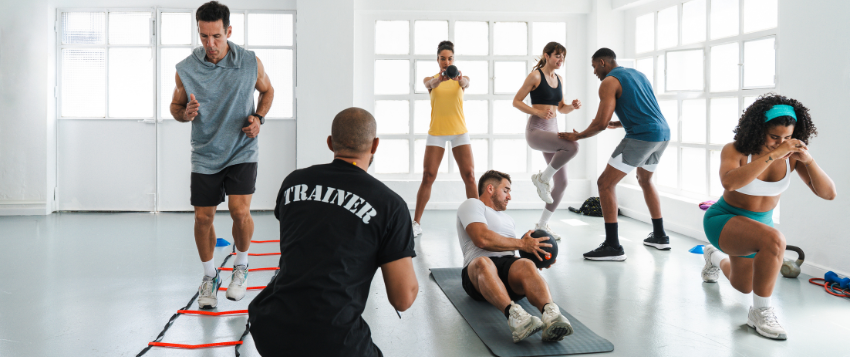
As a new year begins, many people feel motivated to improve their health, but often feel overwhelmed by where to start. Strength or resistance training can seem intimidating: unfamiliar equipment, complex programs, and endless opinions online.
The truth is simple: you don’t need complicated workouts to get strong; you need smart structure, consistency, and a focus on full-body training.
Strength training is one of the most powerful tools we have not just for aesthetics, but for longevity, functionality, and quality of life.
Why Strength Training Is Non-Negotiable

Strength training is not just about building muscle or “looking toned.” It improves how your body functions every single day and plays a key role in how well you age.
The benefits go far beyond the gym:
Increased muscle strength and endurance
Strength training allows your muscles to produce force efficiently. This makes everyday tasks like carrying groceries, climbing stairs, lifting children, feel easier and less tiring. Over time, muscular endurance improves, meaning you can do more without fatigue.
Improved metabolism and fat loss
Muscle is metabolically active tissue. The more muscle you build, the more calories your body burns at rest. Strength training also improves how your body uses energy, making fat loss more sustainable and less reliant on extreme dieting.
Stronger bones and joints
Resistance training places healthy stress on bones, stimulating bone density and reducing the risk of osteoporosis as you age. Strong muscles also support and protect your joints, lowering injury risk and joint pain.
Better posture and balance
Strength training corrects muscle imbalances caused by prolonged sitting and poor movement habits. A stronger core, back, and glutes improve posture and reduce strain on the spine. Better balance also lowers the risk of falls.
Improved blood sugar control
Strength training increases insulin sensitivity, meaning your muscles use glucose more efficiently. This helps stabilise blood sugar levels and lowers the risk of insulin resistance and metabolic conditions.
Increased confidence and energy
There is something powerful about feeling strong. Strength training improves mental resilience, boosts self-confidence, and increases overall energy levels. You move through life feeling capable, not fragile.
For beginners, the goal is not perfection it’s progress, consistency, and sustainability.
Why Full-Body Training Is Best for Beginners

If you are new to training, full-body workouts are the fastest and safest way to see results.
Why full-body workouts work best:
- You train all major muscle groups in one session
This ensures balanced development and prevents overworking one area while neglecting others. - You burn more calories per workout
Training multiple muscle groups increases overall energy expenditure, making workouts more effective and efficient. - You recover better between sessions
Because volume is spread across the body, muscles recover faster compared to intense split routines. - You build balanced strength
No muscle group is left behind, which improves coordination, posture, and overall movement quality. - You can train just 2 times per week and still make progress
This is ideal for beginners with busy schedules and reduces the risk of burnout.
Instead of splitting workouts into “leg day” or “arm day,” beginners benefit more from training the whole body together.
Fundamental Human Movement Patterns

Effective strength training is built around natural movement patterns your body was designed to perform:
Squat – Strengthens the legs and core, supporting everyday movements like sitting and standing
Hinge – Targets the glutes and hamstrings, essential for lifting and protecting the lower back
Push – Develops the chest, shoulders, and triceps for pushing movements
Pull – Strengthens the back and arms, improving posture and upper-body balance
Core stability – Trains the core to resist movement and protect the spine
Rotation – Builds controlled twisting strength used in daily and sporting movements
Anti-rotation – Teaches the core to resist unwanted twisting, enhancing stability and injury prevention
Training these patterns improves strength, coordination, and injury resilience.
Two Beginner-Friendly Strength Methods That Work
- Circuit Training
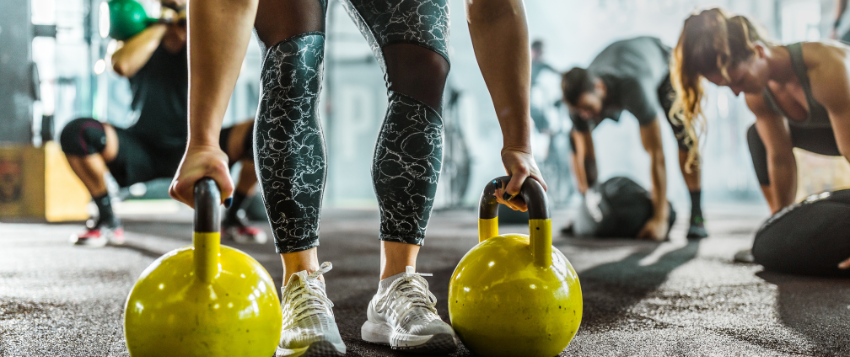
Circuit training involves performing a sequence of exercises back-to-back with minimal rest between movements.
This style of training keeps the body moving while still building strength. It combines resistance training with a cardiovascular element, making workouts time-efficient and engaging.
Why circuit training works well for beginners:
- Saves time
- Builds strength and cardiovascular fitness simultaneously
- Keeps workouts interesting
- Increases calorie burn
Example of a Circuit Strength Workout Programme
Exercise 1: Squats
Exercise 2: Push-ups
Exercise 3: Rows
Exercise 4: Lunges
Exercise 5: Plank
Complete all exercises in sequence to form one circuit. Rest, then repeat as needed.
- PHA Training (Peripheral Heart Action)

PHA training alternates between upper-body and lower-body exercises. While one area works, the other rests—allowing blood to circulate efficiently throughout the body (hence “peripheral”).
This method reduces fatigue while keeping the heart rate elevated.
Why PHA training is powerful:
- Improves circulation
- Maintains a steady heart rate
- Reduces excessive muscle fatigue
- Allows beginners to lift safely without strain
Example:
Lower body: Walking lunges
Upper body: Chest press
PHA training is excellent for beginners who want strength gains without feeling overwhelmed or exhausted.
How Often Should Beginners Train?
For best results, beginners should aim for 2–4 full-body workouts per week, allow at least one rest day between sessions, focus on quality over quantity, and remember that more is not better—better is better.
Don’t Forget Recovery
Don’t forget recovery, strength is built during rest, not just workouts, so prioritise enough sleep, nourishing whole foods, proper hydration, and light movement on rest days to support muscle repair, improve performance, and stay injury-free.
Start Where You Are
You don’t need to be fit to start—you start to become fit; you also don’t need fancy equipment. Dumbbells, resistance bands, or even bodyweight can be incredibly effective when used correctly.
Full-body workouts whether through circuit training or PHA are one of the most effective ways for beginners to build strength, burn fat, and stay consistent, especially at the start of the year.
Focus on movement quality, patience, and showing up, strength is built one session at a time.