
Winter is often seen as a season to indulge, enjoy comfort foods, and “bulk up” for the colder months. But the truth is, your body does not physiologically require more calories in winter. The idea that cold weather demands more food is largely a myth for most people living in modern environments. What often drives overeating in winter is behavioural and emotional shorter days, comfort habits, and reduced activity, not an actual increased need for fuel.
This makes winter the perfect opportunity to stay disciplined, maintain your progress, and prepare for your summer body without unnecessary weight gain.

Action Steps to Help You Stay Disciplined This Winter:
Plan Your Meals
Planning your meals is one of the most effective ways to avoid overeating. When your meals are structured, you reduce impulsive eating and unnecessary snacking. Ensure your meals are balanced with protein, healthy fats, and carbohydrates.
Carbohydrates are not the enemy. Your body needs them for energy, performance, and proper bodily function. Focus on healthy carbohydrate sources such as whole grains, fruits, and vegetables. When your body is properly fuelled, you are less likely to experience intense cravings or binge episodes.
Stay Hydrated
In winter, people tend to drink less water, which can sometimes be mistaken for hunger. If cold water is unappealing, opt for warm water or herbal teas. Hot beverages can be comforting, but be mindful of adding excessive sugar or honey, as this increases your calorie intake unnecessarily. Proper hydration supports digestion, energy levels, and appetite control.
Limit Alcohol Intake
Alcohol can make you eat more than you need. It lowers your control and increases your appetite, which can lead to bigger meals even after you’ve already eaten. It also makes you crave salty, fatty foods. It can also lead to mindless snacking throughout the day. Being aware of how much and how often you drink can help you stay in control of your eating.
Choose Smart, Low-Calorie Snacks
Snacking is not the problem; uncontrolled snacking is. Choosing lower-calorie, satisfying snacks can help you stay on track while still enjoying your food. Options like popcorn, peanuts, or rice cakes with peanut butter can be great choices when eaten in controlled portions. Portion control is key. Even healthy foods can lead to excess calorie intake if eaten in large amounts.
Avoid Mindless Eating
Eating while binge-watching TV or scrolling on your phone can lead to overeating without you even realising it. When your attention is divided, you are less aware of how much you are consuming. Try to be more intentional with your eating. Sit down for your meals, chew slowly, and take breaks. If you are watching something, stand up or move around during breaks to avoid continuous snacking.
Keep Temptation Out of Reach
Out of sight is truly out of mind. If you do not buy foods that trigger overeating, you reduce the chances of consuming them. Stock your kitchen with foods that support your goals rather than foods that work against them. Being intentional with your grocery shopping is one of the simplest yet most powerful strategies to maintain control over your diet.
Keep Training Consistent
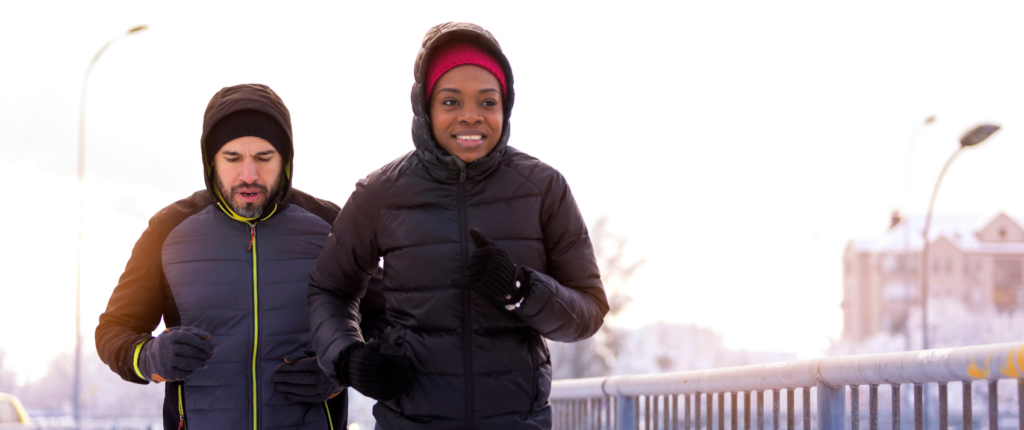
Exercise helps regulate appetite, improve mood, and maintain your overall energy balance. Staying active during winter reduces the likelihood of overeating and supports your fitness goals.
Take Care of Your Mental Health
Many people turn to food as a way to cope with stress, boredom, or emotions, instead of relying on food, find healthier ways to manage stress such as exercise, journaling, prayer, spending time with loved ones, or engaging in activities that bring you peace. Managing your mental health plays a major role in maintaining healthy eating habits.
Be Mindful of Social Media Influence
Social media can sometimes promote unrealistic body standards and misinformation about diet and fitness. Exposure to these messages can lead to unhealthy eating behaviours, body dissatisfaction, and unnecessary pressure. Research has shown that constant exposure to unrealistic body ideals can negatively impact mental health, increase comparison, and lead to disordered eating patterns. It can also create confusion around what is actually healthy, especially when advice comes from unqualified sources.
It is important to be selective about the content you consume. Follow credible, informed voices and focus on realistic, sustainable health practices rather than extreme or misleading trends.
Enjoy Winter Smartly, Not Carelessly
Winter is for being cosy, resting, and enjoying the moment, but it’s not a free pass to lose control. This season will pass, the layers will come off, and how you take care of yourself now will show.
Avoid putting yourself in a position where you have to deal with guilt and regret later, because that often leads to even more unhealthy habits. Instead, use this time to stay intentional, build discipline, and take care of your body. Winter isn’t about overindulgence, it’s about preparation for the version of you that will show up next season.
Don’t Let Your Appetite Speak Louder Than Your Self-Control
Enjoy the comfort of winter, but don’t lose yourself in it. Stay aware, stay intentional, and keep your habits in check. Every choice you make now matters, so choose discipline over impulse. When the season changes, you’ll be glad you stayed in control instead of starting over.