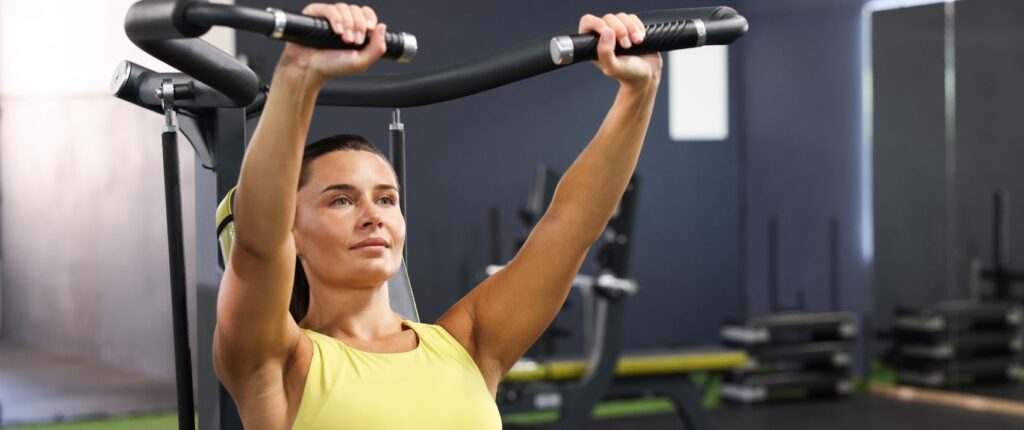
Strength training is often associated with traditional two-sided exercises like squats and bench presses, known as bilateral movements (using both limbs at once). But there’s another powerful approach called unilateral training, where one side works at a time for example, single-leg squats or single-arm presses. Unilateral training isn’t just different; it offers unique advantages for muscle growth, strength development, balance, and even injury prevention.
Unilateral vs. Bilateral: What’s the Difference?
Bilateral training involves both sides of the body working at the same time—such as barbell squats or chest presses using both arms.
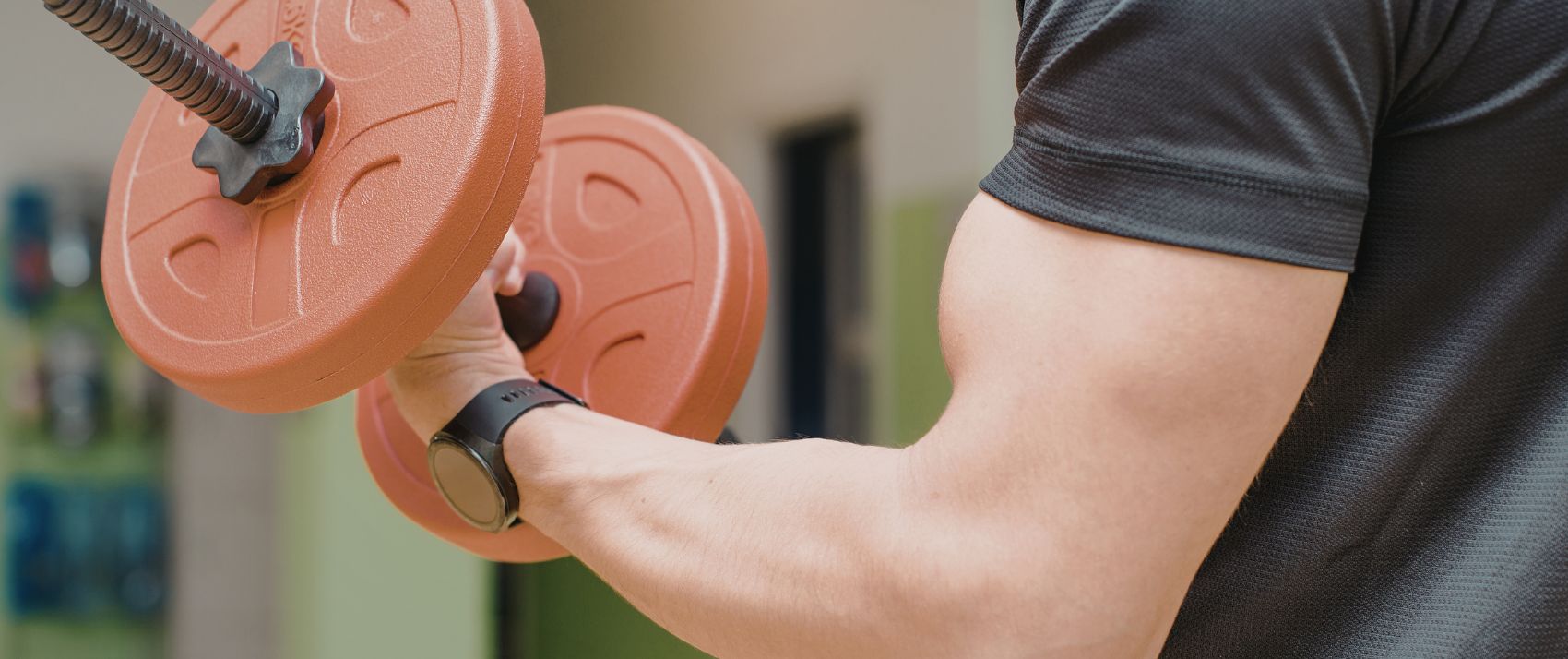
involves training one limb at a time such as lunges, step-ups, or single-arm rows. Both methods are valuable, but unilateral exercises challenge muscles, stabilisers, and the nervous system in ways that bilateral training alone sometimes cannot.
So why does picking a side actually make you stronger? Let’s break it down:
-
Better Strength Gains Through the “Bilateral Deficit”
Research has shown that people often produce greater force when training one limb at a time compared to using both limbs simultaneously in the same movement. This phenomenon is known as the bilateral deficit. Essentially, the nervous system can activate muscles more efficiently during unilateral movements, leading to faster strength improvements on each side.
While bilateral lifts are important for overall strength, unilateral training enhances one-sided force production and prepares the body for real-world and athletic demands where each limb must perform independently.
-
Muscle Size and Strength Preservation During Injury or Immobilisation
One of the most powerful benefits of unilateral training is its ability to preserve muscle strength and size even when one side of the body is injured or unable to train. Studies have demonstrated that training the healthy limb can help maintain strength and muscle mass in the untrained or immobilised limb through a process known as cross-education. This makes unilateral training especially valuable during rehabilitation, recovery phases, or periods of reduced training capacity.
-
Increased Core Engagement and Balance
Unilateral exercises naturally place greater demands on balance and stability. Because one limb is working independently, the body must recruit deeper stabilising muscles especially the core—to maintain posture and control.
Over time, this leads to:
- Improved core strength
- Better balance and coordination
- Enhanced functional strength that transfers to daily movement and sport
-
Correcting Muscle Imbalances
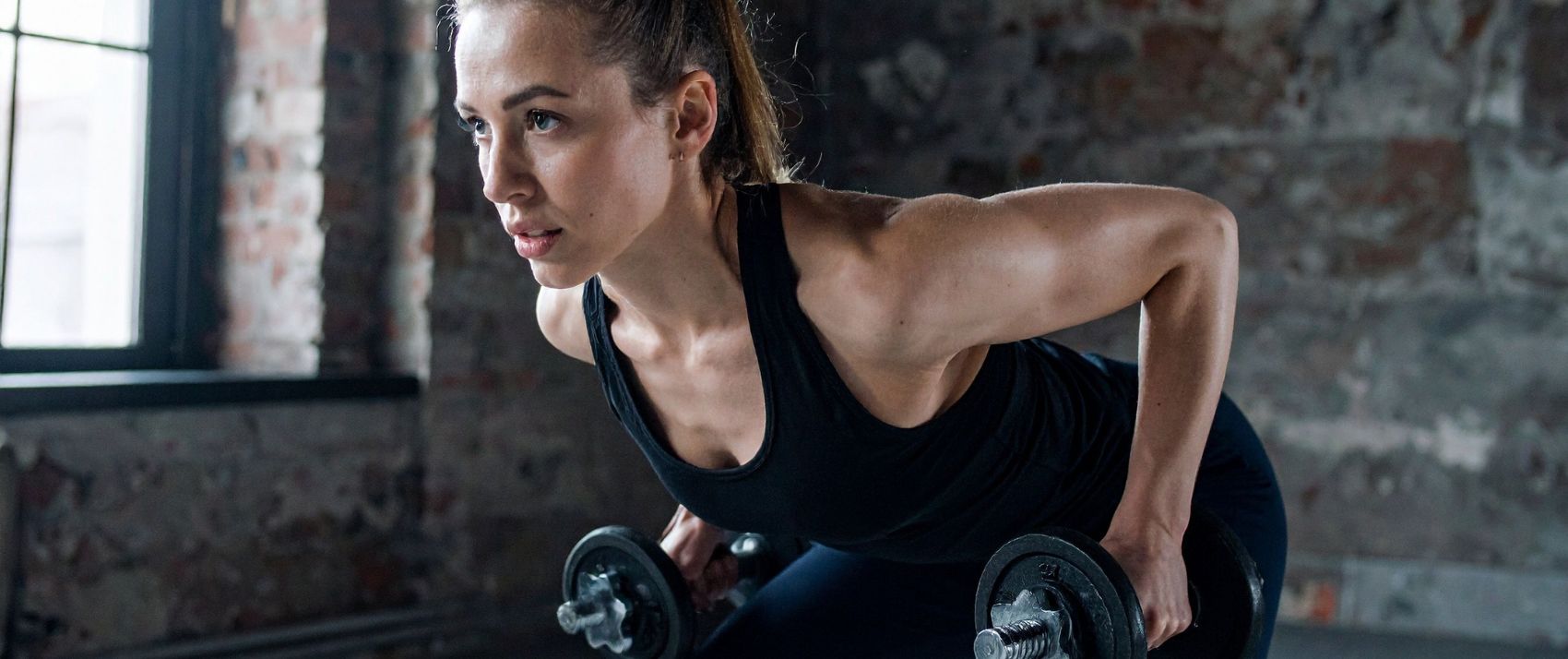
Most people have a dominant side that is stronger or more coordinated. During bilateral lifts, the stronger side often compensates, masking weaknesses and reinforcing imbalance. Unilateral training removes this safety net by forcing each limb to work on its own.
This helps:
- Identify and correct strength asymmetries
- Reduce compensation patterns
- Improve posture and movement efficiency
- Lower long-term injury risk
Balanced strength between sides is essential for longevity and sustainable performance.
-
Functional and Sport-Specific Carryover
Many everyday movements and athletic actions are unilateral by nature, walking, running, stepping, lunging, pushing off one leg, or changing direction. Training one side at a time closely mirrors these patterns, making unilateral training highly functional. Research comparing unilateral and bilateral resistance training has shown that unilateral work can lead to greater improvements in unilateral performance tasks such as jumping, balance, and directional force production.
-
The Perfect Complement to Bilateral Training
Unilateral training does not replace bilateral training, it enhances it. Bilateral lifts allow heavier loading and build maximal strength, while unilateral exercises develop stability, balance, coordination, and symmetry.
For a complete strength programme:
- Use bilateral lifts to build maximal strength
- Use unilateral lifts to improve control, balance, and resilience
- Together, they create a well-rounded, high-performing body.
How to Use Unilateral Training in Your Workouts
Unilateral training delivers the greatest benefit when programmed intentionally rather than added as an afterthought.
-
Include Unilateral Exercises Early in the Session
Unilateral movements require focus, balance, and coordination. Performing them early after your warm-up but before fatigue sets in allows better technique, stronger neural activation, and greater engagement of stabilising muscles, especially the core.
-
Use Unilateral Training During Recovery or Rehabilitation
Training the healthy limb can help preserve strength and muscle on the injured side. This makes unilateral work an excellent tool during rehabilitation, deload weeks, or periods of joint sensitivity, allowing continued progress without unnecessary strain.
-
Combine Unilateral and Bilateral Training Throughout the Week
Alternating between unilateral-focused sessions and bilateral-focused sessions provides the best of both worlds—maximal strength, improved stability, reduced injury risk, and long-term progression.
Examples of Unilateral Exercises
- Single-leg squats
- Lunges
- Step-ups
- Single-arm presses
- Single-arm rows
These movements challenge strength, balance, coordination, and control, key pillars of functional and athletic performance.

Closing Thought
If your goal is to grow stronger, lift better, and move more efficiently, unilateral training is not optional—it is essential. Single-sided exercises correct imbalances, strengthen the core, improve balance, and support safer, stronger lifts. When programmed consistently alongside bilateral training, unilateral work builds a resilient body that performs better in the gym and in everyday life.