
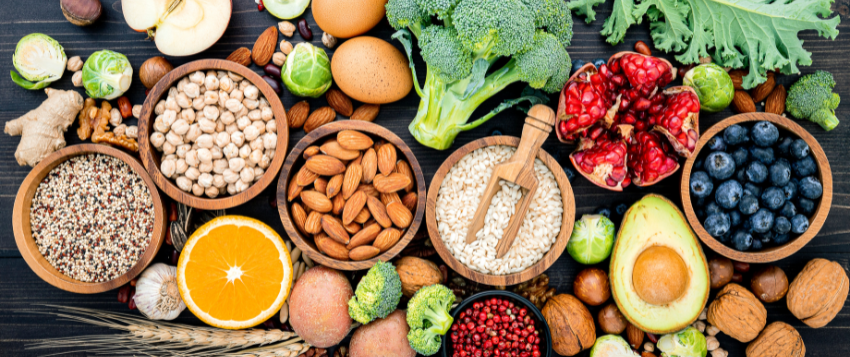
As South Africa moves deeper into autumn and the colder months begin to settle in, our eating habits often start to shift. Cooler mornings, earlier evenings and changing routines can make us crave warmer meals, comforting drinks and heartier foods. There is nothing wrong with leaning into seasonal comfort, but this is also the perfect time to pay closer attention to how we nourish our bodies before winter fully arrives.
Seasonal nutrition is not about restriction. It is about balance. It is about choosing foods that keep you energised, support your immune system, help you feel fuller for longer and still allow you to enjoy the warmth and comfort that colder-weather meals bring.
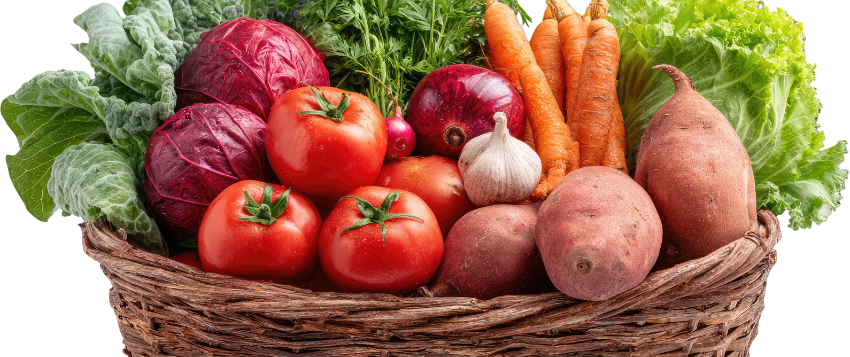
One of the easiest ways to eat well during autumn and winter is to make the most of seasonal produce. South Africa still offers a variety of nourishing fruits and vegetables during the colder months. Ingredients such as butternut, sweet potatoes, carrots, cabbage, cauliflower and citrus fruits can bring colour, flavour and nutritional value to everyday meals. These foods are rich in vitamins, minerals and antioxidants, making them useful additions to soups, stews, roasted vegetable dishes and warm salads.
Citrus fruits, in particular, are a simple seasonal staple. Oranges, naartjies, grapefruit and lemons can help add freshness to your diet when heavier meals start to dominate. They are also easy to include in breakfast, snacks, infused water or warm lemon drinks. Instead of viewing cold-weather eating as bland or repetitive, seasonal ingredients can make your meals feel both comforting and nourishing.
It also helps to focus on nutrient-dense foods. These are foods that give your body more nutritional value in every serving. Whole grains such as oats, brown rice and quinoa can provide steady energy, while legumes, beans, lentils, nuts and seeds help support fullness and overall nutrition. Lean proteins such as chicken, fish, eggs, tofu and beans are also important, especially because the body still needs protein for muscle maintenance, repair and daily function.
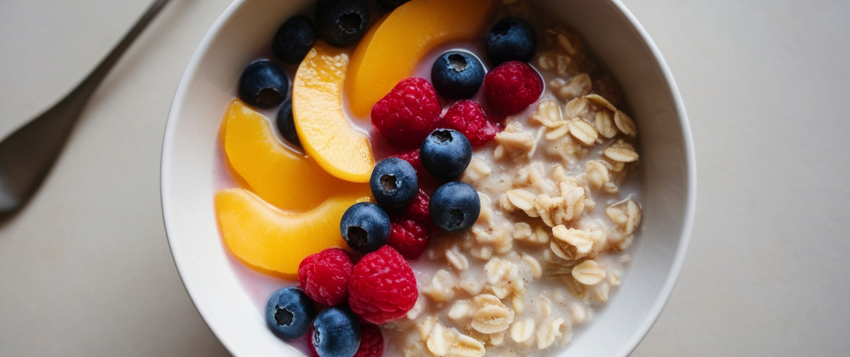
A warm bowl of oats in the morning, a lentil stew for lunch or a homemade vegetable soup with beans can be simple, affordable and satisfying meal options as the weather gets colder. These kinds of meals do more than fill the stomach. They help the body feel supported during a season when energy levels can sometimes dip.
Another important part of autumn and winter nutrition is vitamin D. During the colder months, people may spend less time outdoors, which can reduce exposure to sunlight. Vitamin D plays a role in bone health, immune function and general wellbeing, so it is worth being mindful of your intake. Foods such as eggs, mushrooms, fortified milk or plant-based alternatives, sardines, salmon and mackerel can help contribute to your vitamin D intake. Spending some time outdoors during daylight hours may also support the body’s natural vitamin D production.

Hydration is often forgotten when the weather cools down. Because we do not always feel as thirsty when it is cold, it becomes easier to drink less water than the body needs. However, hydration still matters. Water supports digestion, energy, circulation and healthy skin. Warm drinks such as herbal teas, broths and homemade soups can also contribute to fluid intake while giving you the comfort you may naturally crave during this time of year.
The colder months can also make indulgence feel easier. Hot chocolate, baked treats, creamy meals and rich comfort foods often feel more tempting when the weather is chilly. There is no need to remove these foods completely. A healthy seasonal eating plan should still leave room for enjoyment. The key is to be mindful. Enjoy your favourite comfort foods without making them the foundation of every meal. Where possible, balance them with vegetables, lean protein, whole grains and enough water.
For example, instead of relying on highly processed convenience meals, you can prepare a homemade soup filled with vegetables, lentils or chicken. Instead of skipping meals and overeating later, you can plan warming meals that keep you satisfied throughout the day. Small choices like these can make cold-weather eating feel less like a battle and more like a rhythm.
Planning ahead can also make a big difference. As the evenings get colder, people may feel less motivated to cook after a long day, which is why meal preparation can be useful. Preparing soups, stews, casseroles or roasted vegetables in advance can help you avoid last-minute unhealthy choices. Keeping simple pantry staples such as canned beans, lentils, tomatoes, oats, brown rice and whole grains can also make it easier to create quick, nourishing meals during the week.

Supplements may be helpful for some people, especially where there are specific nutritional gaps or health concerns. However, supplements should not be treated as a replacement for a balanced diet or professional healthcare advice. If you are unsure whether you need a supplement, it is best to speak to a healthcare professional or registered dietitian who can guide you based on your individual needs.
Good nutrition during autumn and winter is not about chasing perfection. It is about paying attention. It is about noticing what your body needs, choosing foods that support your health and still allowing yourself to enjoy the season. A nourishing plate can be warm, comforting and balanced. It can include the soup that reminds you of home, the citrus fruit that brightens your morning and the occasional treat that makes the cold feel a little less harsh.
As South Africa moves through the colder months, the goal is simple: eat in a way that keeps you well, energised and grounded. The season may change your cravings, but it does not have to weaken your healthy habits. With a little planning and a more mindful approach, autumn and winter can become an opportunity to nourish your body with warmth, intention and care.
Disclaimer
Healthi and its associates provide health and fitness information for educational and informational purposes only. This content is not intended to replace professional medical advice, diagnosis or treatment. Always consult your doctor, general practitioner or another qualified healthcare professional before starting a new fitness programme, changing your diet, taking supplements or making decisions about your health. Any use of the information provided is at your own risk.