
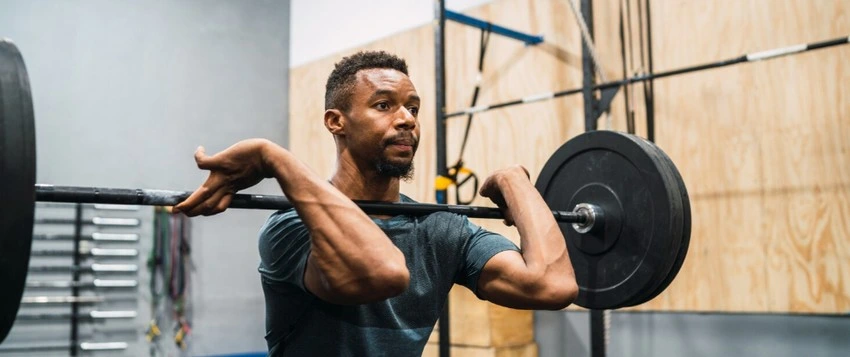
Strength and conditioning is a type of training that helps improve strength, fitness, movement and overall performance. It combines exercises that build muscle with activities that support endurance, mobility, balance and body control.
Many people think this style of training is only for athletes. However, it can also help beginners, gym members and anyone who wants to move better, feel stronger and improve their fitness. In simple terms, it helps your body become more prepared for everyday movement.
Whether your goal is to build confidence, support weight management, improve your body strength or become more active, strength and conditioning can help you create a balanced fitness routine.
This article explains what strength and conditioning means, how it works, what benefits it offers and how beginners can get started safely.
What Is Strength and Conditioning?
Strength and conditioning is a structured approach to fitness. It combines strength exercises with conditioning exercises to help your body become stronger, fitter and more capable.
Strength exercises focus on building muscle and improving control. These may include bodyweight movements, resistance bands, weights or gym machines.
Conditioning exercises focus on fitness, stamina and movement. For example, this may include circuits, HIIT, cardio intervals, functional movements or controlled workout sessions.
Together, these exercises help you build strength while also improving how your body moves and performs.
How Does Strength and Conditioning Work?
Strength and conditioning works by training different parts of your fitness at the same time. Instead of focusing on only one goal, it helps improve strength, endurance, balance, mobility and control.
As a result, your workouts can feel more balanced and practical. You are not only training to lift heavier or move faster. You are also training your body to work better in everyday life.
A strength and conditioning workout may include:
- Squats
- Lunges
- Push-ups
- Planks
- Deadlifts
- Resistance exercises
- Step-ups
- Core movements
- Short cardio bursts
- Mobility work
- Stretching
- Functional movements
These exercises can be adjusted for different fitness levels. Beginners can start with simple movements, while more experienced people can use heavier weights, faster circuits or more challenging exercises.
Strength Training vs Strength and Conditioning
Strength training and strength and conditioning are closely connected, but they are not exactly the same.
Strength training focuses mainly on building muscle strength. It often includes exercises such as lifting weights, using resistance machines or doing bodyweight movements.
On the other hand, strength and conditioning includes strength training but adds fitness, mobility and endurance work. This means it can help you build strength while also improving stamina, flexibility, coordination and overall performance.
For example, a strength training session may focus on squats, chest presses and rows. A strength and conditioning workout may include squats, core exercises, mobility drills and short bursts of cardio in one session.
Both types of training can be useful. However, the best option depends on your fitness level, goals and what you enjoy.
Benefits of Strength and Conditioning
The benefits of strength and conditioning go beyond building muscle. This type of training can support your overall wellbeing and help you feel more capable in daily life.
Some key benefits include:
- Improved strength
- Better fitness and stamina
- Increased confidence
- Improved posture
- Better movement control
- Stronger core stability
- Better balance and coordination
- Support for weight management
- Improved body awareness
- Better workout consistency
In addition, strength and conditioning can make everyday tasks feel easier. Carrying groceries, climbing stairs, lifting objects, walking for longer and staying active can all become more manageable when your body is stronger and fitter.
Over time, this type of training can also help you build discipline and confidence in your fitness journey.
Is Strength and Conditioning Good for Beginners?
Yes, strength and conditioning can be good for beginners when it is done safely and at the right level.
You do not need to be fit before you start. For example, a beginner can begin with simple bodyweight exercises and slower movements before progressing to weights or more intense workouts.
At the start, the focus should be on learning proper form, building confidence and creating a routine that feels realistic. This helps reduce pressure and makes it easier to stay consistent.
Beginner-friendly exercises may include:
- Bodyweight squats
- Wall push-ups
- Step-ups
- Glute bridges
- Planks
- Light resistance band rows
- Walking intervals
- Gentle mobility movements
The goal is not to do the hardest workout. Instead, the goal is to build a foundation and improve gradually.

What Is Functional Strength Training?
Functional strength training is a type of exercise that helps your body move better in everyday life. It uses movements that are similar to daily activities, such as bending, lifting, pushing, pulling and carrying.
This type of training is often included in strength and conditioning because it supports practical movement. For instance, squats can help with sitting and standing, while lunges can support balance and lower body strength.
Core exercises can also help with posture, stability and control. Because of this, functional strength training is useful for people who want fitness that supports real life, not only gym performance.
What Happens in a Strength and Conditioning Workout?
A strength and conditioning workout usually includes a warm-up, main workout and cool-down. Each part has a purpose and helps your body train safely.
Warm-Up
The warm-up prepares your body for movement. It may include light cardio, mobility exercises and dynamic stretching.
Strength Exercises
This part focuses on building muscle and control. Exercises may include squats, lunges, push-ups, rows, resistance band movements or weight training.
Conditioning Exercises
Conditioning helps improve fitness and stamina. It may include circuits, short cardio intervals, step-ups, cycling, rowing or bodyweight movements.
Core and Mobility Work
Core and mobility exercises help improve posture, balance and movement quality. They can also support better control during other exercises.
Cool-Down
Finally, the cool-down helps your body recover. It may include stretching and breathing exercises.
Who Should Try Strength and Conditioning?
Strength and conditioning can suit many different people because it can be adapted to different fitness levels.
It may be useful for:
- Beginners who want to start training
- People who want to feel stronger
- People who want to improve fitness
- Gym members who need structure
- People who want better stamina
- Those interested in functional fitness
- People who want to support weight management
- Anyone who wants a balanced workout routine
It can also help people who want to become more consistent with exercise. When sessions are structured, it becomes easier to know what to do and how to progress.
How to Start Strength and Conditioning Safely
If you are new to strength and conditioning, start slowly. Your body needs time to adjust to new movements and routines.
Here are a few beginner tips:
- Start with bodyweight exercises
- Focus on good form
- Do not rush into heavy weights
- Warm up before each session
- Rest between workouts
- Stay hydrated
- Increase intensity gradually
- Ask for guidance if you are unsure
- Choose exercises that match your fitness level
- Stay consistent rather than perfect
Most importantly, it is better to train regularly at a manageable level than to push too hard and stop after a few sessions.
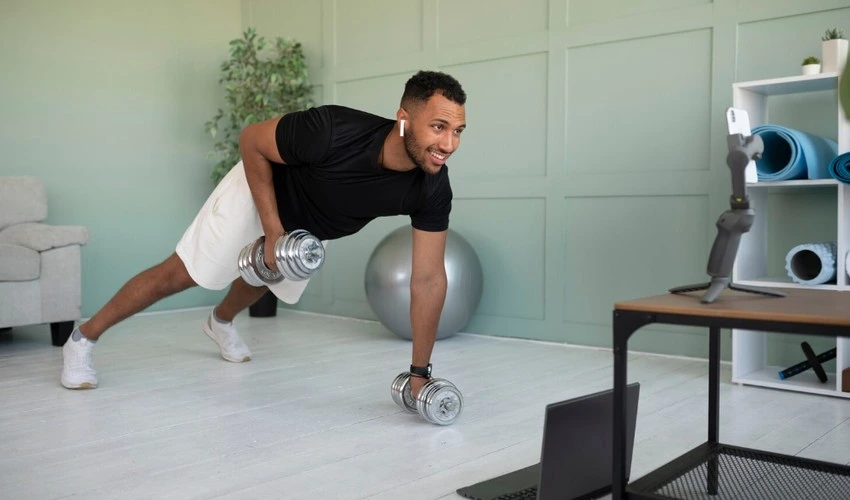
Strength and Conditioning and Healthy Habits
Strength and conditioning works best when it is part of a healthy lifestyle. Exercise is important, but it is only one part of overall wellbeing.
In addition, healthy habits such as drinking enough water, getting enough sleep, stretching, eating balanced meals and managing stress can all support your training.
When you combine movement with simple daily habits, it becomes easier to stay consistent and feel progress over time. Strength and conditioning can help you build discipline, while your daily routine helps you maintain it.
Build Strength and Confidence with Healthi
Starting a fitness journey can feel overwhelming, but it does not have to be complicated. You can begin with small steps, simple exercises and a routine that matches your current level.
Healthi encourages people to move more, build healthier habits and stay consistent through fitness motivation, wellness activities and movement-focused support.
Whether you are new to exercise or ready to improve your routine, strength and conditioning can help you build a stronger, fitter and more confident version of yourself.
Final Thoughts
Strength and conditioning is a practical way to improve strength, fitness and everyday movement. It combines strength training with conditioning exercises to help your body become stronger, more active and better prepared for daily life.
You do not need to be an athlete to benefit from it. Beginners can start slowly, focus on good movement and build confidence over time.
If you want to feel stronger, move better and stay consistent with your fitness goals, strength and conditioning can be a helpful place to start.